Blog

How to Clean FibreGuard: Part One

FibreGuard fabrics hold superior stain-resistant technology which means you can buy that fabulous new couch and not worry about it getting marked or stained — and you won't even have to treat the fabric with chemicals. With FibreGuard there is no need to worry about red wine, dirty paw prints, or tomato sauce. It almost sounds too good to be true, right?

If you are curious to learn more about the properties of this unique collection, keep reading for the answers to some commonly asked questions.

WHAT KIND OF STAINS CAN I REMOVE FROM FIBREGUARD FABRICS?


Any common household stains including dirt, blood, red wine, sticky fingerprints. A full list can be found here.

WHAT KIND OF SOAP DO WE CLEAN FIBREGUARD WITH?

Household soap (bar or liquid) is perfectly acceptable, just make sure it is uncoloured.


WHAT KIND OF MICROFIBRE CLOTH SHOULD I USE?

It doesn’t matter what size or colour microfibre cloth you use, just that it is made of real microfibre as the many tiny fibres will do some of the cleaning work for you!

HOW MUCH WATER DO I USE?

You can use as much water as you like, using plenty of water won't damage the fabric. It is best to use cold water on the fabric and you should avoid applying any heat, including during the drying process.

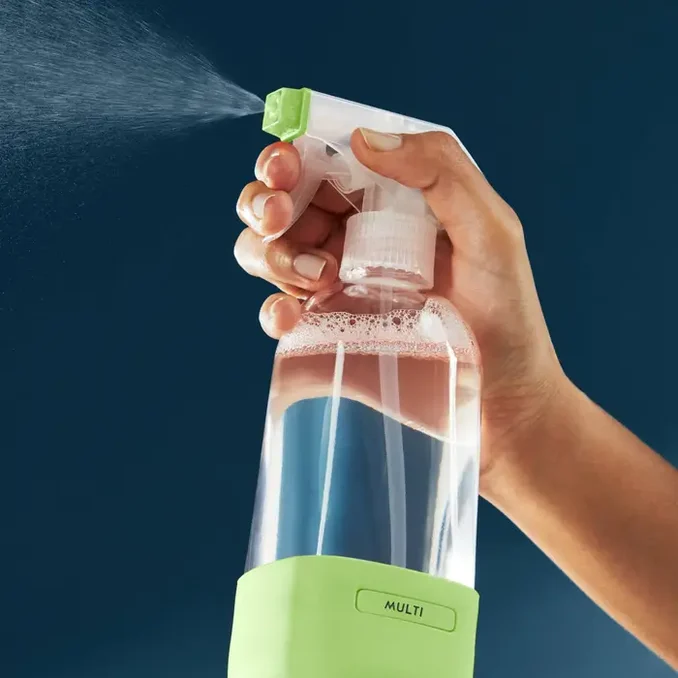
Using a water mister to apply the solution will reduce the risk of the stain spreading, (compared to using a large amount of water at once). Ideally you should use a solution that is 20% soap to 80% water.

Soak the item in cold water, rub a bar of soap sparingly on the stain, and mist with more cold water. Rub it again with a microfibre cloth in circular motions - check back after doing so to see if you are satisfied. Let dry afterwards.

Do not use any drying method that employs heat, such as a hair dryer. Heat will damage the fabric.

IS THE CIRCULAR MOVEMENT IMPORTANT?

Due to the criss-crossing structure of the fabric, gently rubbing in a circular motion will ensure that the entire stain is removed effectively.


WHAT IS THE IDEAL PRESSURE TO APPLY WHEN CLEANING?

Be gentle: Rubbing hard will only smush the stain further into the fabric, making it more difficult to remove later. Yes — 'smush’ is a technical term.

DO I NEED A TOOTHBRUSH TO CLEAN FIBREGUARD FABRICS?


All you need is water, a real microfibre cloth, and perhaps a small bar of white household soap to clean FibreGuard fabrics.

CAN I USE VINEGAR TO CLEAN FIBREGUARD FABRICS?

No, you don’t need vinegar to clean FibreGuard fabrics and using it could damage the fabric.

WHEN FIBREGUARD SAYS “ENVIRONMENTALLY FRIENDLY”, WHAT DOES IT MEAN?

All FibreGuard fabrics are OEKO-TEX® Standard 100 certified, so you can rest assured that the finishes and dyes used in our products will not harm humans or animals.

WHY IS OEKO-TEX SO IMPORTANT?

Our fabrics have to be of the highest integrity at all costs. OEKO-TEX® Standard 100 means that every step of the textile's production has been assessed and proven clear from harmful substances that affect humans, animals, and the environment.

HOW LONG DOES FIBREGUARD PROTECTION LAST?

FibreGuard's solution is impregnated into the yarn during production, giving it a lifetime of stain-on-stain removal. FibreGuard's inherent stain-resistant construction performs better and lasts longer than topical treatments; the protection will last as long as the fabric itself does.

CAN YOU CLEAN HAIR PRODUCTS AND OILS OFF FIBREGUARD FABRICS? I.E. BEDHEADS

Yes.  Following the usual cleaning process, (please follow cleaning instructions), you can remove hair care products and oils from FibreGuard fabrics.

Related

A Guide to Cleaning Curtains

Tips & How To

Custom-made draperies are an investment in your interior. Playing such an important role in the look and feel of your home, it's important that you care for them appropriately to maintain their appearance and functionality. Over time, curtains can grow mildew, become dusty, and marked from dirty ...