A FIBRE'S INHERENT QUALITIES CAN INFLUENCE THE ATMOSPHERE AND DURABILITY OF YOUR FURNISHINGS
Blog

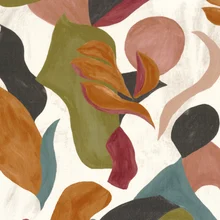
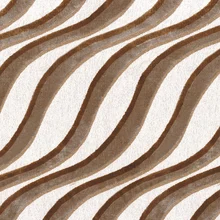
Aquarelle by Fischbacher 1819

Eremure by Casamance

Peony by Fischbacher 1819
The Ideal Textile Fibre for your Interiors
Selecting a fibre for your upholstery and drapery can be a complex and overwhelming task. We tend to place initial importance on a fabric’s the aesthetics qualities – such as colour, texture and pattern – without considering the characteristics of the fibre.
Although aesthetics are a significant part of the final decision, considering the fibre’s inherent qualities can not only enhance the atmosphere of your interior but also the durability of your furnishings long term.
Join us for a brief overview of the characteristics of natural and synthetic fibres, including their response to humidity, light exposure, and the required maintenance to ensure you make the best choice for your interior space.

Desert by Casamance
Cotton
Cotton
- Cotton is universally admired for its strength and durability. A softly textured fibre, cotton is perfect when seeking a natural look and adjusts beautifully to temperature changes.
- Reasonable UV resistance, however, a quality lining should be used for further protection from direct sunlight, especially to reduce colour fading around the edges of roman blinds and drapes.
- Being an absorbent fibre, cotton can move with changing humidity levels. Ask your supplier for a ‘pre-shrunk’ or stabilised option as this will greatly reduce movement.
- Cotton is susceptible to mildew and while anti-mildew finishes can be applied, if the environment you intend to use this fabric in is often humid and possibly damp, then cotton may not be the best choice.
- Cotton is suited to warm and moderate climates; however, it is imperative that a lining is used to insulate interiors effectively during winter. If direct sunlight is an issue, or you reside in a very cool climate, cotton may not be the best selection.


Linen
Linen
- Praised as the strongest of the natural fibres, with increased durability if blended with nylon for upholstery. Linen is a heavy fibre that drapes well and offers a tactile, causal look.
- Regarded as a luxury fibre due to its imperfect coarse texture and lustre, linen brings gentle filtered light into a space to create a serene atmosphere.
- An absorbent fibre that moves with changes in humidity, linen can be affected by mildew which over time will cause the fibre to deteriorate.
- Only resistant to moderate sunlight and therefore a lining should be used for drapery, and attempts should be made to avoid direct sunlight for upholstery.
- Whilst linen is regarded as a great insulator, deterring heat in moderate to warmer temperatures, a lining can increase durability in cooler climates.
- Sensitive to air pollution.



Silk
Silk
- A reasonably strong fibre that can endure some abrasion, particularly when used with a backing fabric.
- Incredibly fine texture and smoothness, silk dyes beautifully and is regarded as the most luxurious of all natural fibres. Silk creates a dramatic billowy shape and puddles elegantly on the floor as drapery.
- Potential to move with the changes to humidity as it is an absorbent fibre.
- Due to its sensitivity to heat and UV light, this fibre is not always the most practical choice. Protect the fabric with a lining for upholstery and drapery, this will improve durability and increase protection from sunlight.


Viscose/Rayon
Viscose/Rayon
- Derived from natural sources such as wood pulp and then synthesised into a man-made fibre.
- Incredibly soft handle and beautiful lustre, giving this fibre a luxury finish.
- A very versatile fibre and can be adapted for fine and heavy fabrics, or blended with other fibres can enhance its strength, softness, lustre and create a variety of fabric textures.
- Although this is a versatile fibre that is suitable for drapery, upholstery, it adapts to changing temperatures and can be difficult to clean as it is a dry clean only yarn type and may show marks from pressure and liquid spills. Viscose can also be affected by mildew.
- Sometimes poor UV resistance and should always be lined when used as drapery, aim to avoid exposure to direct sunlight when used as upholstery.
- This fibre moves with changing humidity and is very absorbent. Movement in this fibre can be minimised when blended with other stable fibres.
- These factors are deemed natural characteristics of this fibre, adding character and movement over time and accordingly textiles with a high viscose composition are better used in lower traffic areas within the home.



Wool
Wool
- Wool is inherently temperature adaptable, flame retardant, anti-static, and dirt repellent in both home and commercial spaces contributes to improved air quality by absorbing and storing VOCs.
- Very durable when used in tightly woven constructions as an upholstery.
- Ability to stretch and return to its original form due to this fibres’ fine molecular structure – giving it strong elasticity.
- While wool is suitable for drapery and provides excellent sound absorption qualities, it is sensitive to UV light degradation unless protected from direct sunlight. A blended composition can reduce this sensitivity and avoid the fibre becoming brittle. As with other natural fibres, a drapery lining is recommended to further improve its exceptional insulation properties and protect against light and heat damage.
- Cloth moth larvae, bacteria, and mildew can affect this fibre.
- Although this is a durable fibre, pure wool compositions can often be difficult to maintain. When blended with synthetic fibres, the fabric is then easier to clean and is less prone to pilling.
- Wool is an excellent insulator and can keep a space cool in summer and warm in winter, however humidity may affect its longevity. This fibre is best used in dry environments and positioned where the fabric face is not exposed to direct sunlight.


Acrylic
Acrylic
- Durable and high resistance to abrasion when produced for upholstery.
- A strong and stable fibre that’s non absorbent.
- Handle is excellent and drapes incredibly well.
- Versatile and can be manufactured in both fine woven sheers right through to heavy upholstery.
- Strong UV resistance gives significant colour fastness, and generally not affected by mildew or pollution.
An excellent fibre for providing great insulation in interiors, and is resistant to mould and mildew. This fibre drapes beautifully as curtains, and the handle is similar to wool, giving itself a rich, comforting texture for upholstery.



Nylon
Nylon
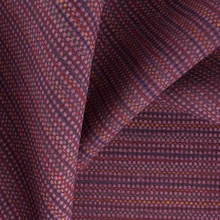
- Incredibly strong and stable, nylon is often blended with other fibres to improve durability in upholstery.
- Not generally affected by mildew.
- Versatile and can be manufactured into everything from woven sheers to heavy upholstery.
- Sunlight can affect this fibre if exposed to direct UV light over a long period.


Polyester
Polyester
- Excellent handle and drapes incredibly well.
- Durable and strong resistance to fabric abrasion and easy to clean and maintain.
- A stable fibre with good UV resistance which is generally not affected by mildew or pollution.
- Versatile and can be manufactured into everything from woven sheers to heavy upholstery.
- Excellent resistance to wrinkling and easy to maintain.
- Doesn’t adjust well to changes in humidity as a non-absorbent fibre.
- This fibre is best used in high use living areas and bedrooms – it is recommended to avoid use in kitchens as it can retain odours.
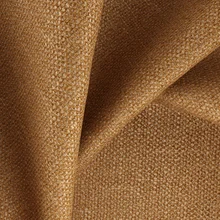


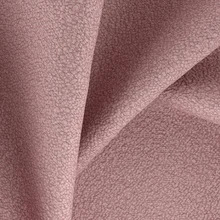
It is generally acknowledged that selecting natural fibres for your furnishings are the superior choice, however, it is evident that synthetic fibres do play an important role in the manufacturing process and by blending natural and synthetic fibres a fabric’s handle, longevity, and resistance to climate can be enhanced.
Blended fabrics can combine the best inherent fibre characteristics of both the natural and synthetic worlds. Additionally, there is less maintenance required in synthetic or blended compositions, and a greater range of patterns and textures on offer.
After evaluating these many considerations, the defining factor may be your aesthetic preference and opting for a particular look may instantly outshine all other options.
“Which way does the stripe run?” One of the most frequently asked questions we receive both in our showrooms, and over the phone. It is a question that can be easily confused, especially when interpreting fabric specifications from a small sample and how that translates to a roll of fabric. It is...
