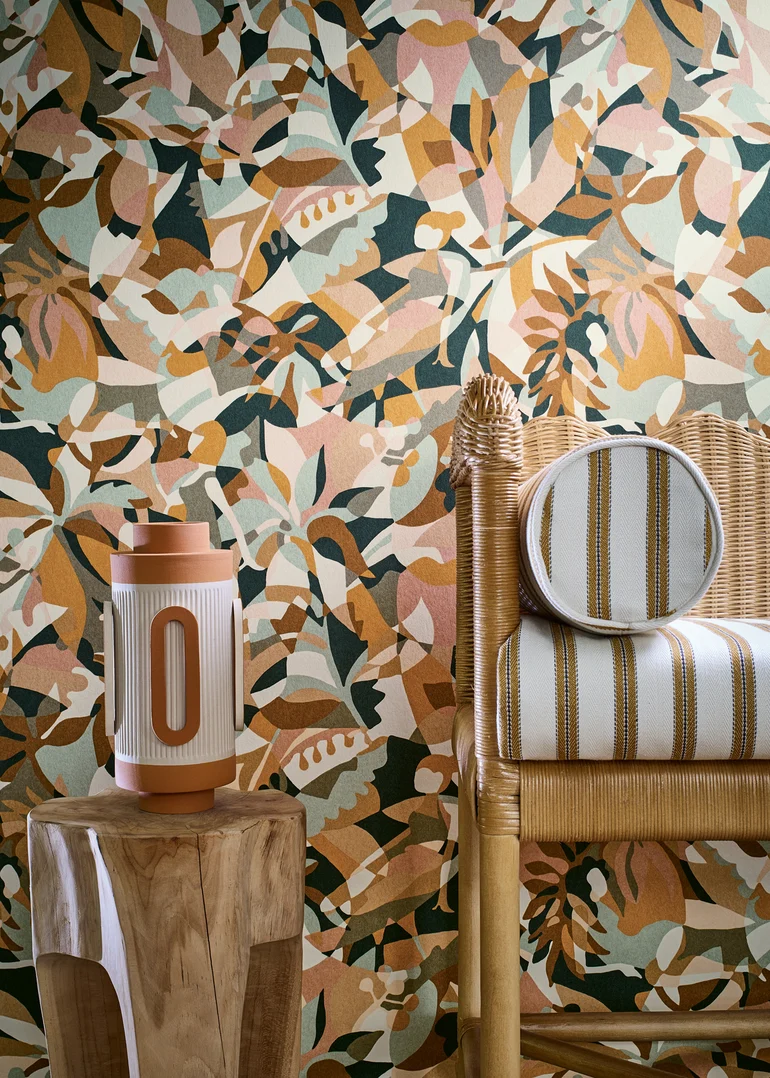
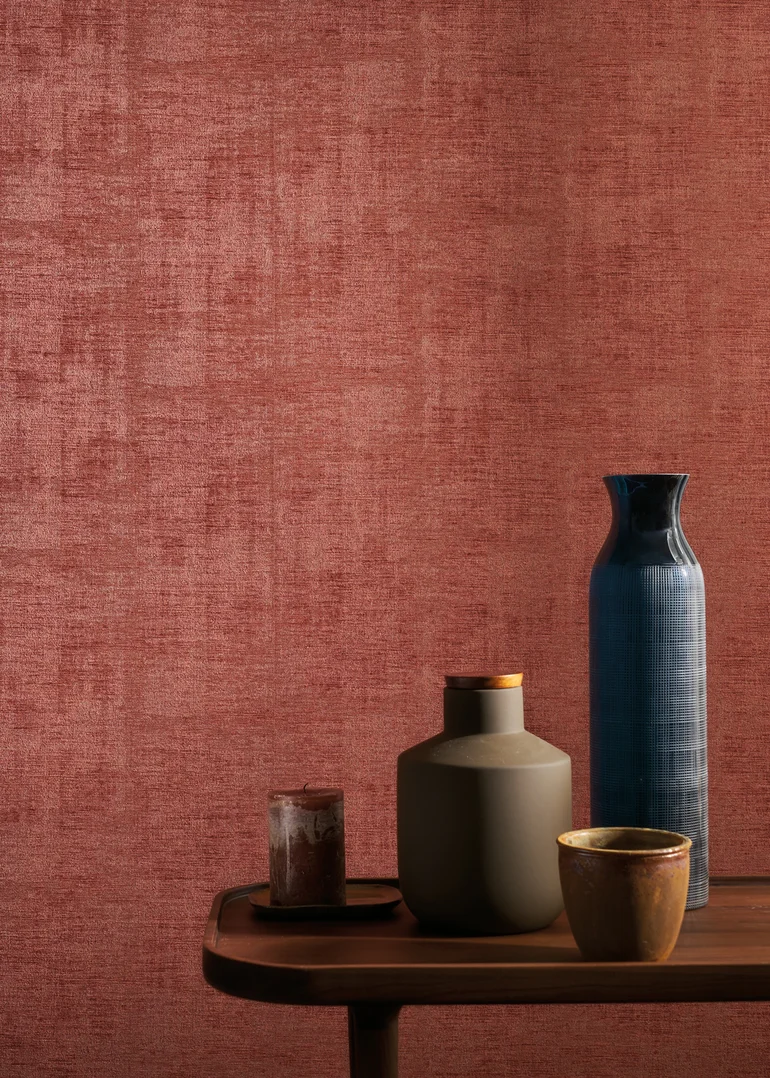
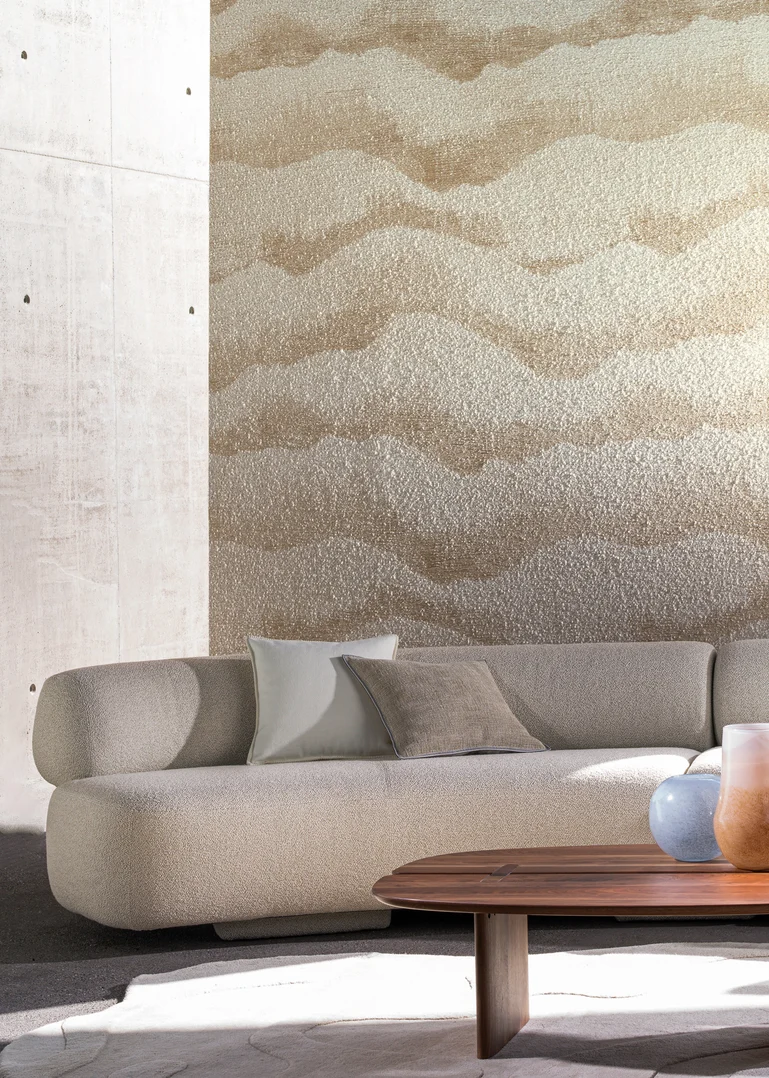
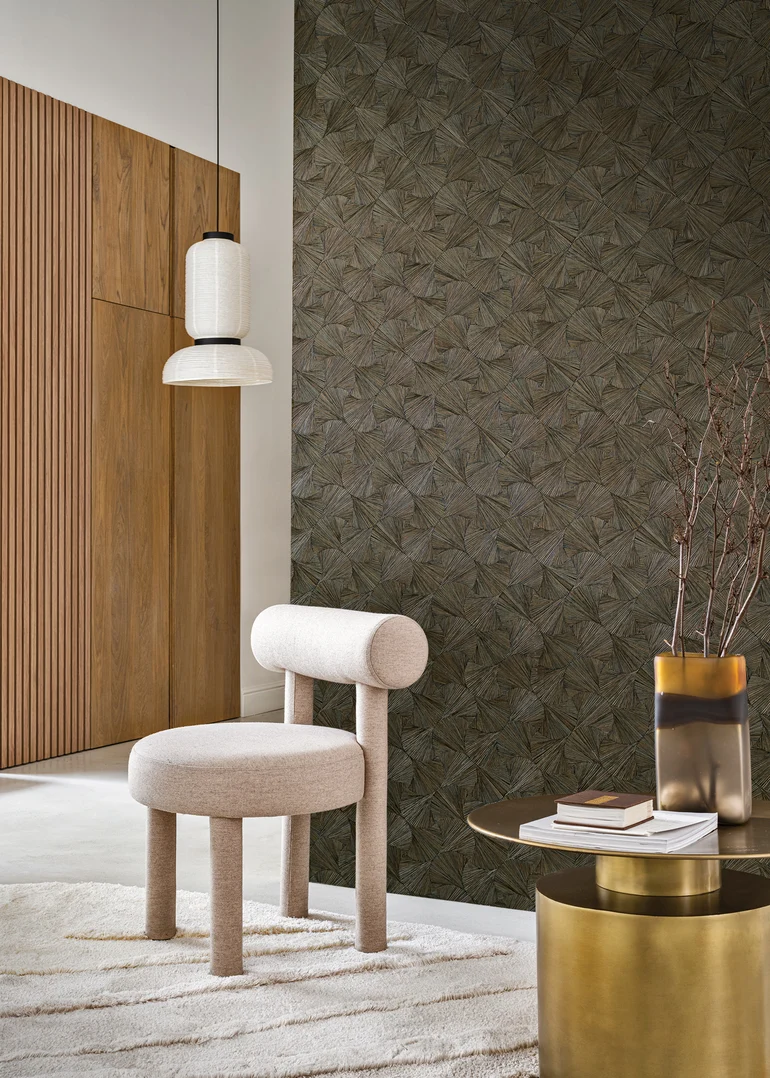
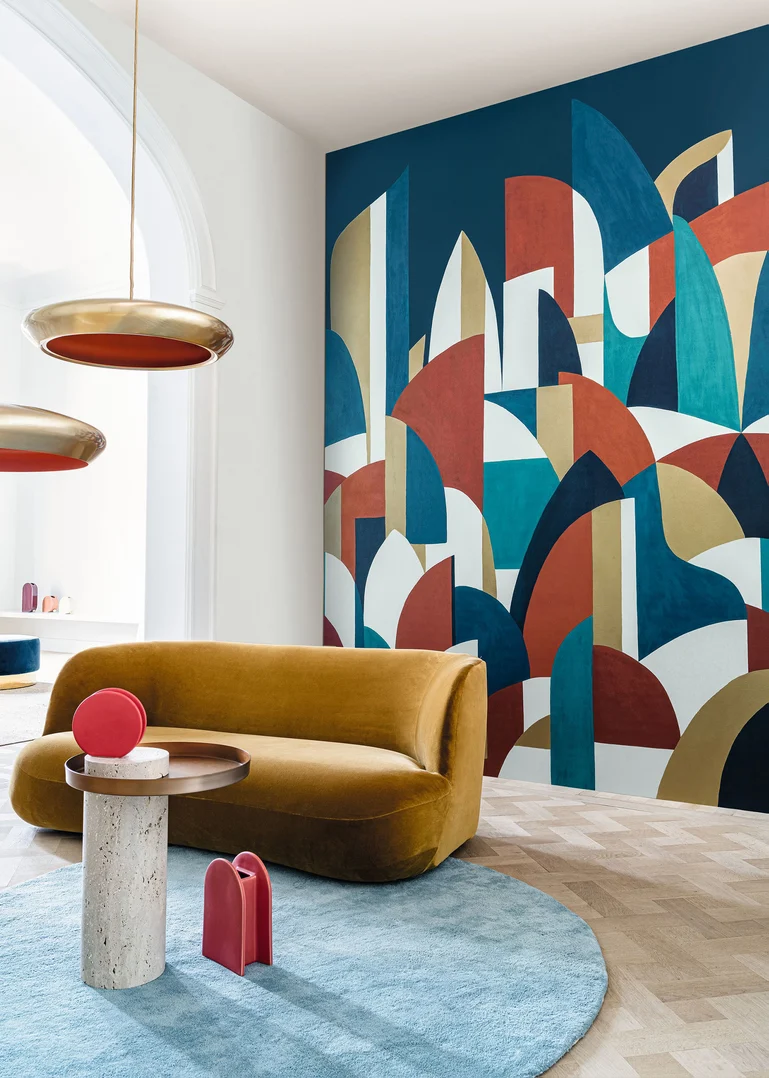
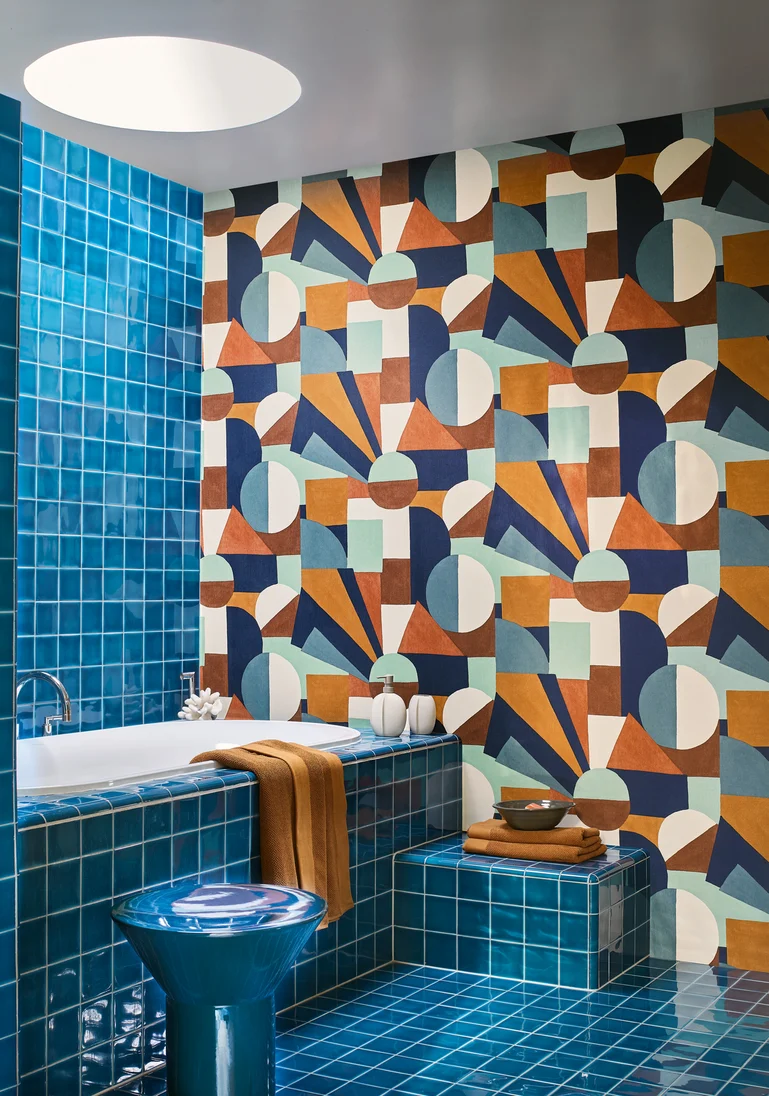
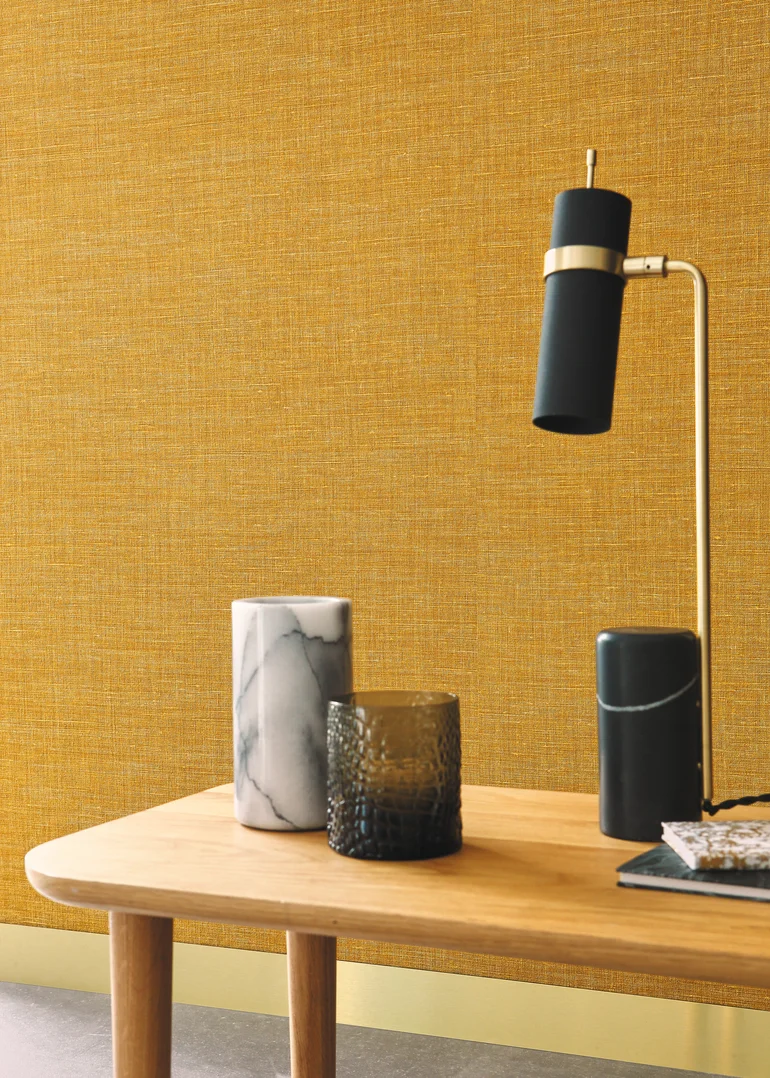
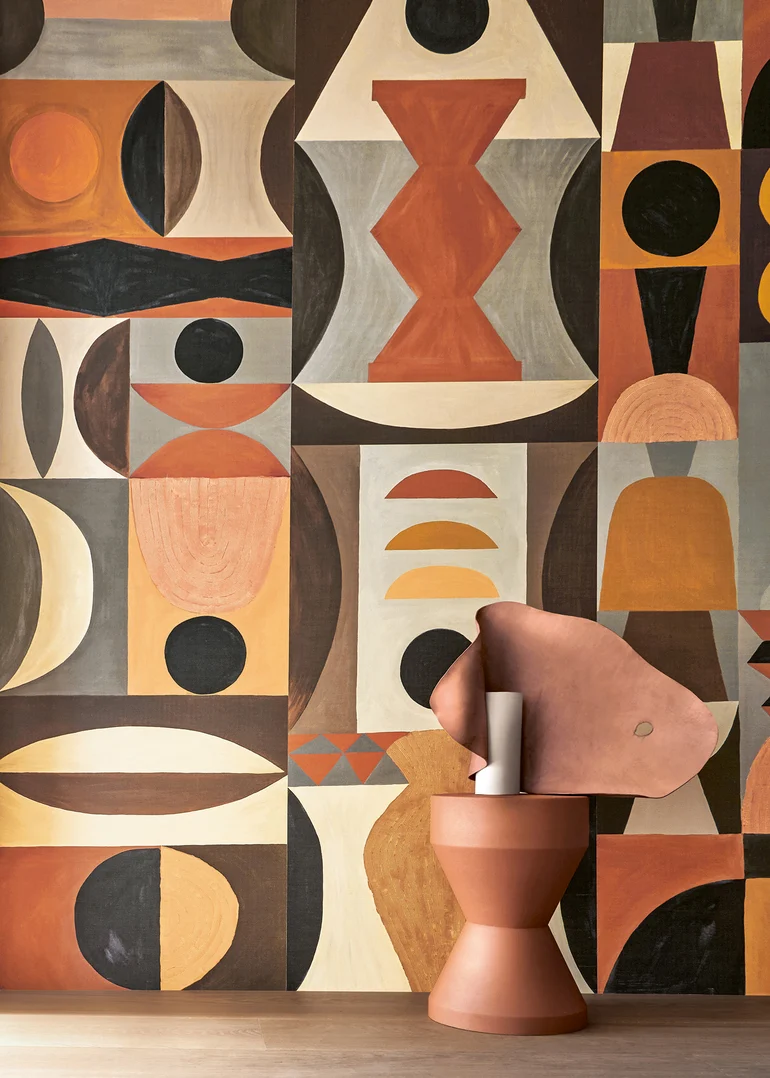
"Wallpaper is a dynamic option to bring colour, texture, and pattern to your home, office or commercial space"
Wallpaper
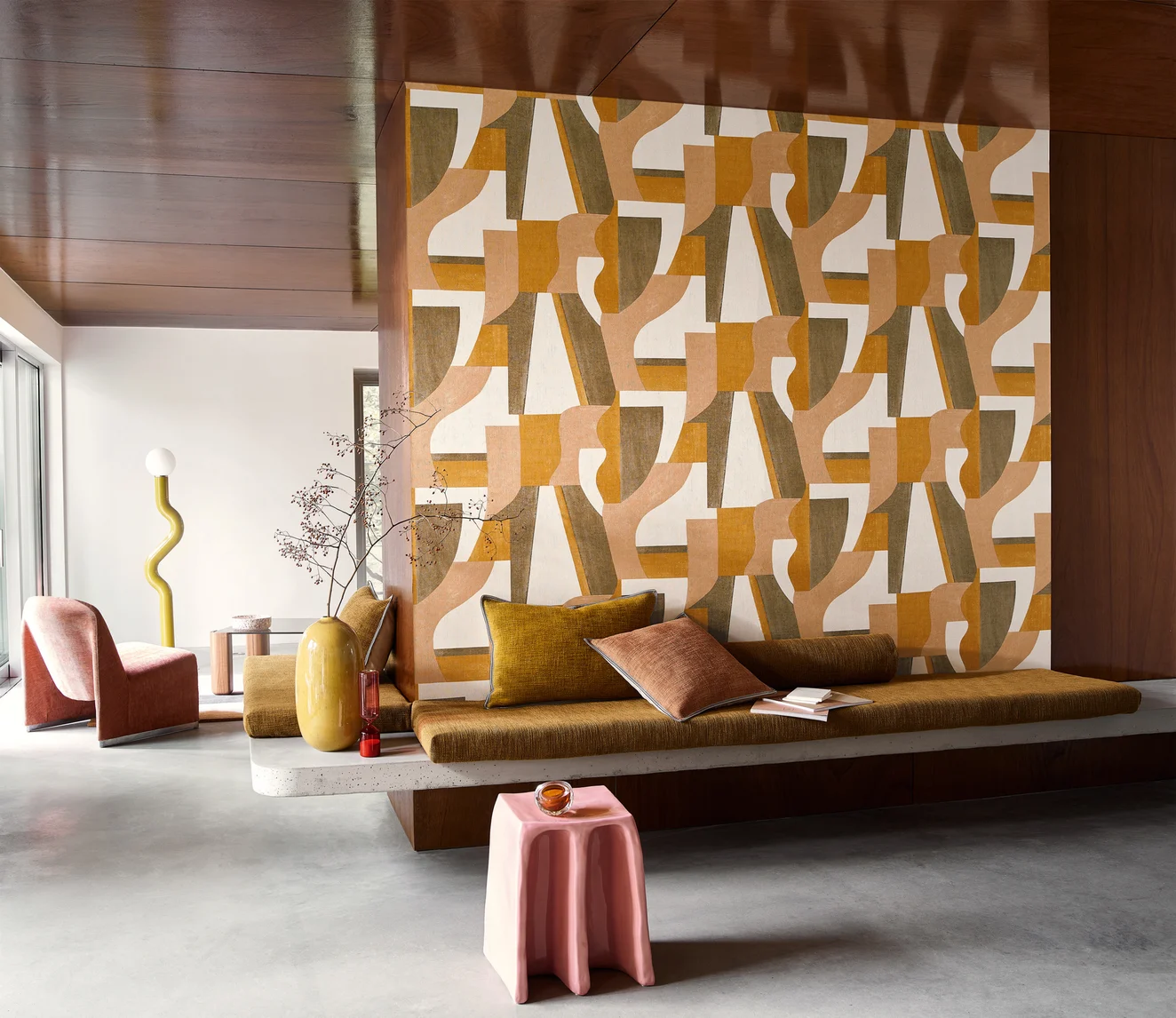
From contemporary to classic, Zepel, have an incredible range of wallcoverings to suit both residential and commercial projects. Available in many designs across a range of brands, wallpaper provides an effective and individual touch to your décor.
Easily washable, wallpaper can work in combination with painted walls - with paint being matched professionally to your wallpaper. With minimal effort in comparison to paint, the one coat process means you can move back into the room on the same day.
Suitable for most rooms, you can make a statement with a vibrant bold print, create a feature wall, or choose from a textured or neutral option.
Enhance your walls with inspirational wall art from our various collections or our quality international brands. Whether it’s florals, botanicals, geometrics or textures, there is something for every taste, budget and style.
Learn more on how to pick your wallpaper here.
Types of Wallpaper
Paper-based wallpaper is measured in grams per square metre, (GSM), and will generally be described by a number, example - 120, 130, 150 GSM, etc. However, a PVC vinyl wallpaper is made up of two distinct layers and consequently will be defined by two figures, such as 80/90, 100/120, 120/200, etc. The first figure reflecting the paper weight, the second the vinyl.
The paper is measured by weight as it’s not possible to accurately measure by its thickness. All paper is processed through a range of rollers during manufacturing that ultimately squashes the sheet as thin as desired. However, the weight of the paper, regardless of how many times it is compressed, remains constant.
Non-Woven Uncoated Substrates
Non-woven which is referred to as ‘paste-the-wall’ products, do not have paper as the base or web but instead are made of a synthetic blend, making this more dimensionally stable than the paper base products mentioned above.
Non-woven designs tend to have a soft fabric-like feel and aesthetic qualities of an uncoated paper. Their real benefits are in their installation as there’s no expansion when adhesive is applied, there is no need to leave the paper to soak-out like conventional papers. Therefore, you can paste the wall instead of the back of the paper. This allows it to be hung directly from the roll, making hanging simpler and cleaner.
NOTE: Non-Woven Uncoated bases can be layered with a vinyl and be printed or embossed just like conventional paper-based products noted above.
PVC (Heavy Vinyl Coated Wallpapers)
PVC coated wallpapers, or vinyls, consist of a heavy fibrous backing layer with a soft, flexible PVC coating applied on top. The vinyl wallcovering is printed with the design when it is still in a smooth state - it’s not until after it’s been printed that it is ‘embossed’ to create the textured finish.
Vinyls have significant advantages when it comes to their performance. Vinyls are generally much heavier than standard papers due to having two layers. Given that the top layer is PVC, it additionally makes the paper easy to handle when hung.
Vinyls are hard wearing and beautiful to hang, due mainly to the combined weight and strength of the PVC and paper layers. Vinyls have a PVC coating that is resistant to moisture, and when used in conjunction with a light ready mixed adhesive they become particularly suitable for high humidity rooms, such as bathrooms and kitchens. They provide some degree of impact resistance and are therefore better suited than any other paper – especially if there are young children in the house.
Heavy vinyls generally have a strong fire rating, and while this makes them relevant for commercial projects, hotels, offices and hospitals, the opportunity for application in home interiors is extensive. Redecorating with vinyl over paper makes the task a lot easier. The PVC top layer is peelable and will pull off, if not in one complete strip, at least in large sections. Once this is removed the backing layer can be made wet and easily scraped away.
NOTE: Generally, heavy vinyl wallcoverings would be washable.
Coated Wallpapers
A coated wallpaper has the same fibrous backing as uncoated wallpaper, but with a very smooth vinyl layer applied on top that will easily accept the majority of print processes.
Coated wallpapers are a good compromise between uncoated and heavy vinyls. They can be used in most environments as the coating gives a reasonable level of protection against moisture. However, it may not be appropriate to use them if the intended area is high in humidity, such as small, poorly ventilated bathrooms or kitchens.
Dirty finger marks and general soiling can be easily cleaned and it’s possible that some of these marks may be removed using a soft damp sponge and a mild soap. Absolutely no abrasives or cleaning detergents should be used.
Solvent based products such as pens or ink paints will mark this wallpaper as will anything fatty, like cooking oil or peanut butter.
NOTE: As a general rule of thumb, coated wallpapers (light weight vinyl) would be washable.
Uncoated Wallpapers
An uncoated wallpaper is called a ‘wood fibre sheet’ and has no detectable surface coating on it. The face of the wallpaper is therefore rough when compared to coated wallpapers. The wallpaper face is calendared, (flattened), to give it ‘smoothness’ for printing. Uncoated papers are typically rated for their soft aesthetic qualities, as they are not particularly serviceable once hung. They should easily allow residual surface paste to be wiped off during hanging, however surface glue should not be removed once dry.
These wallpapers are suited to living rooms, dining rooms or bedrooms where traffic and moisture conditions are low.