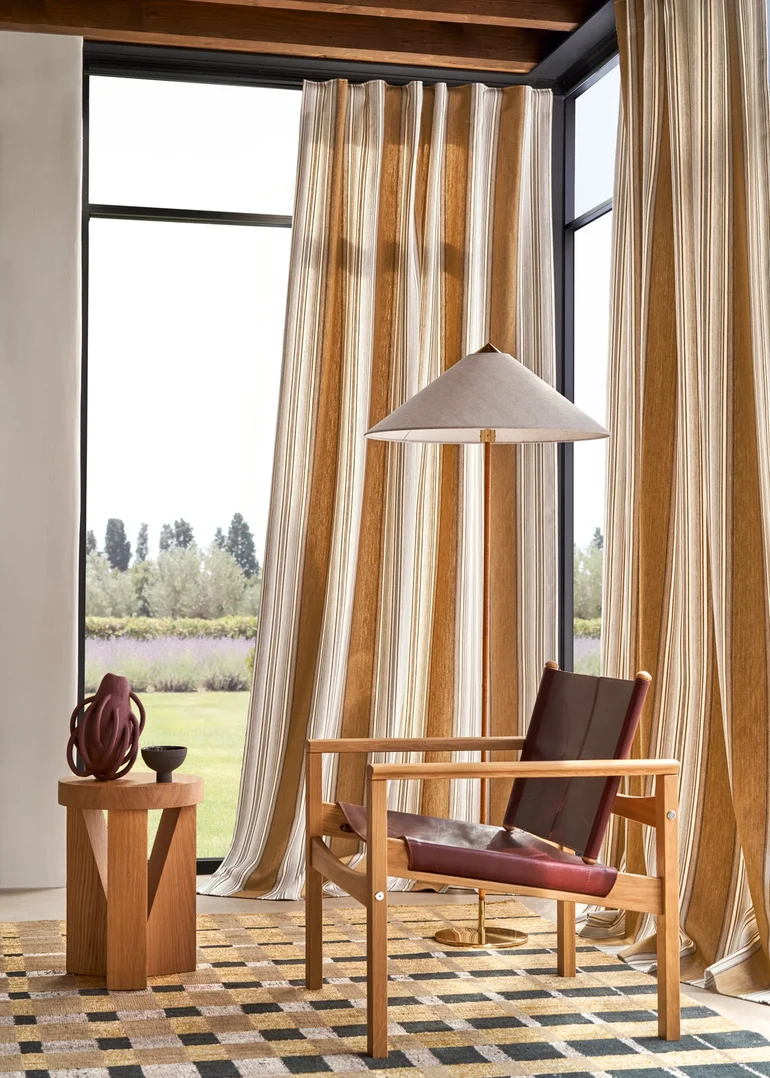
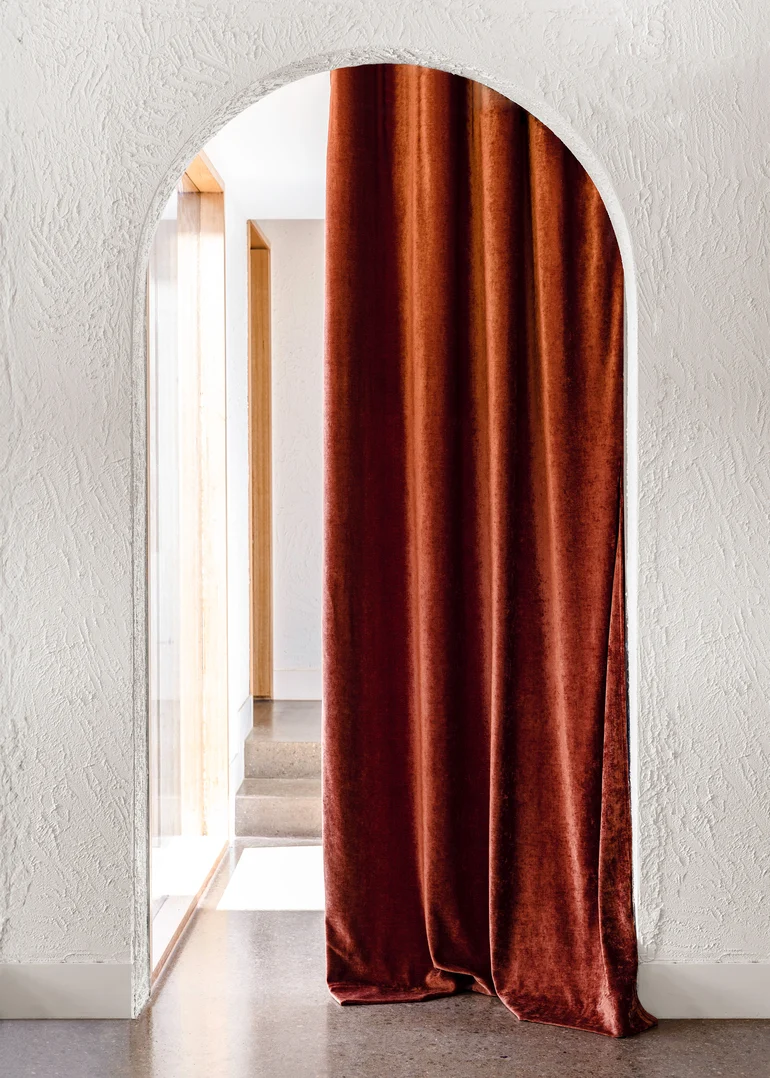
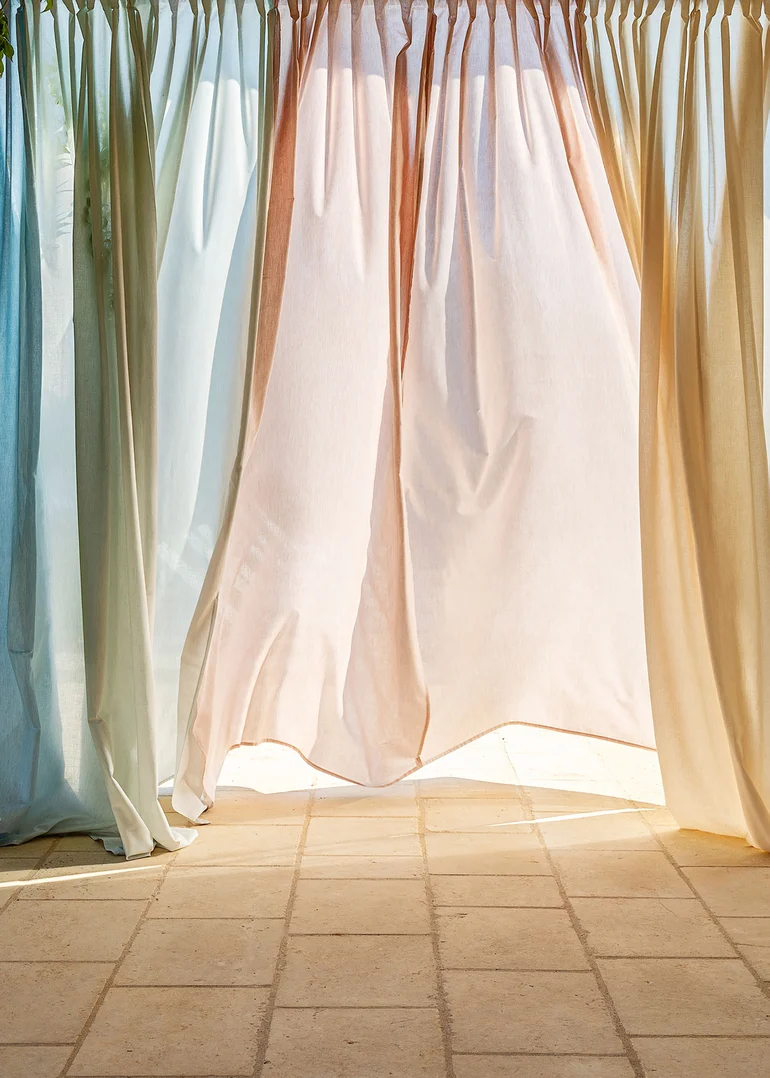
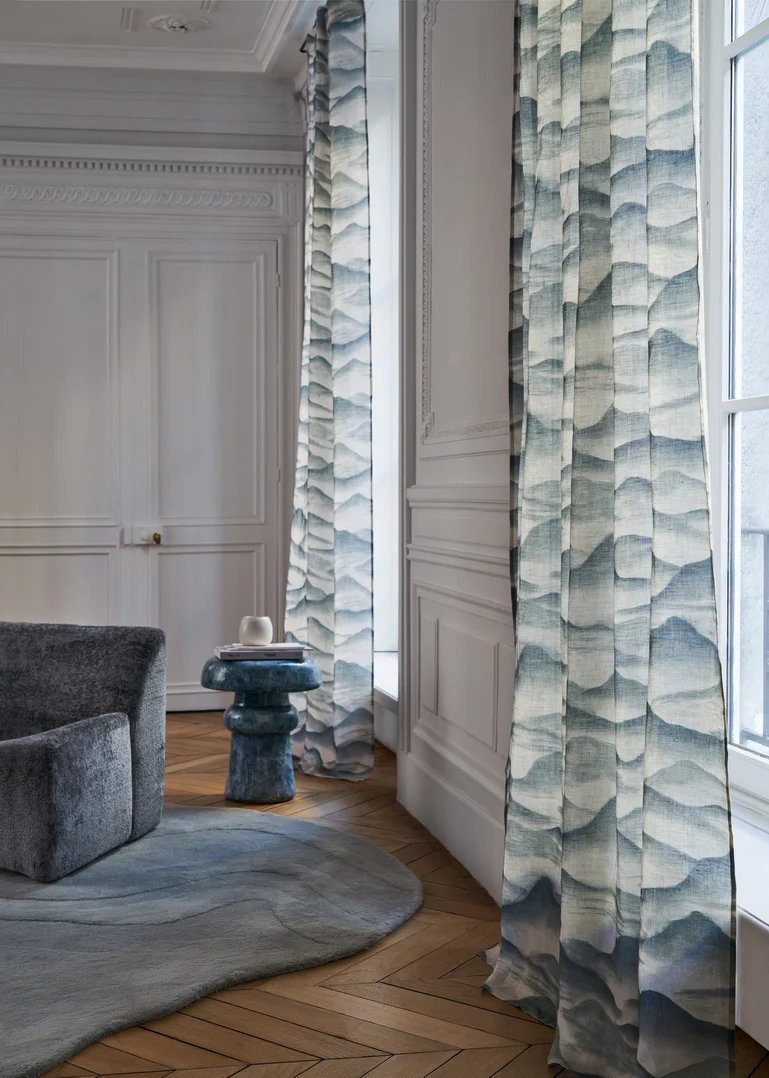
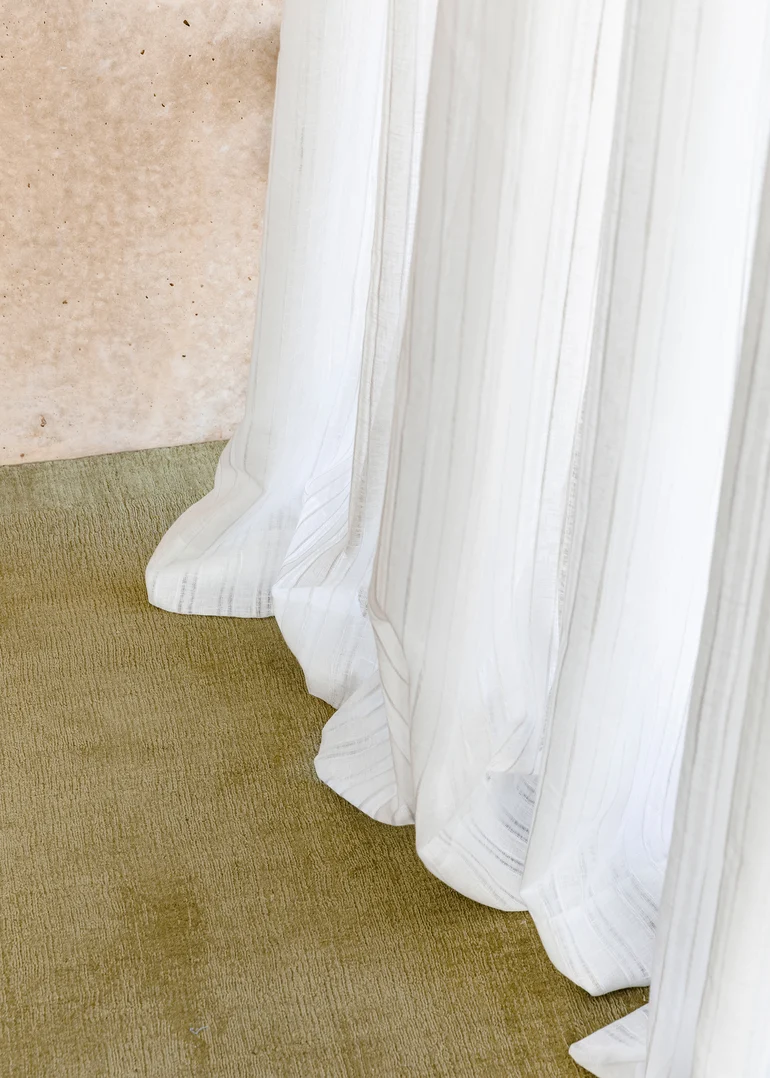
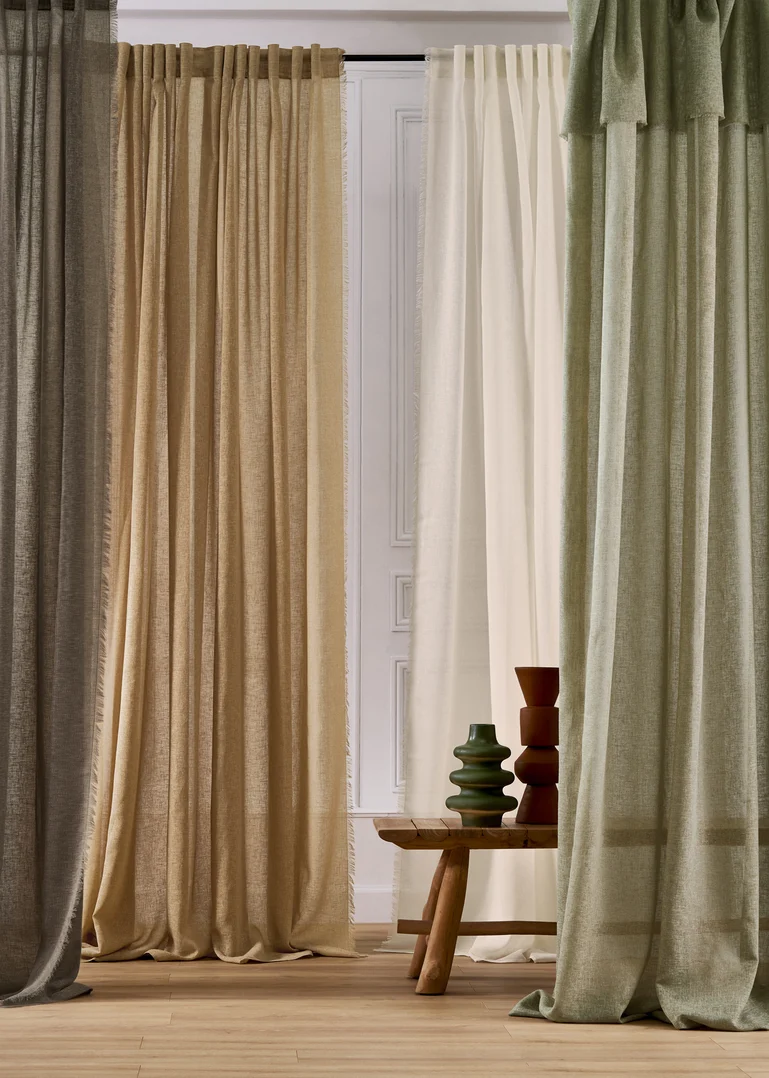
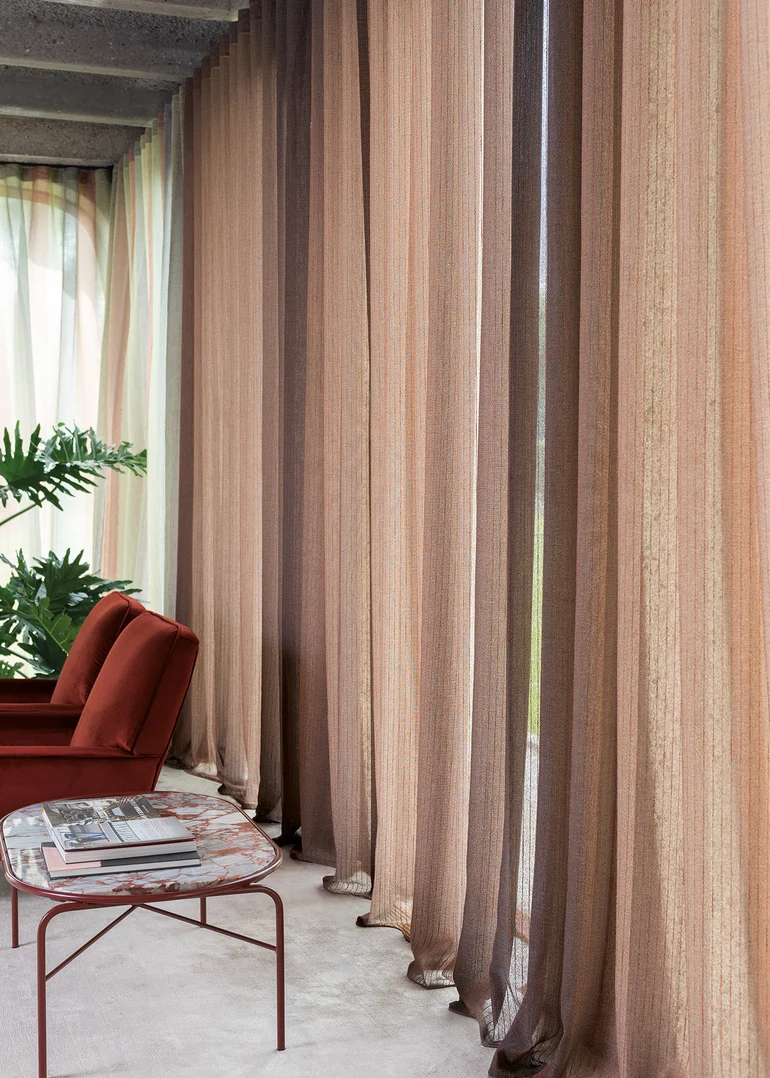
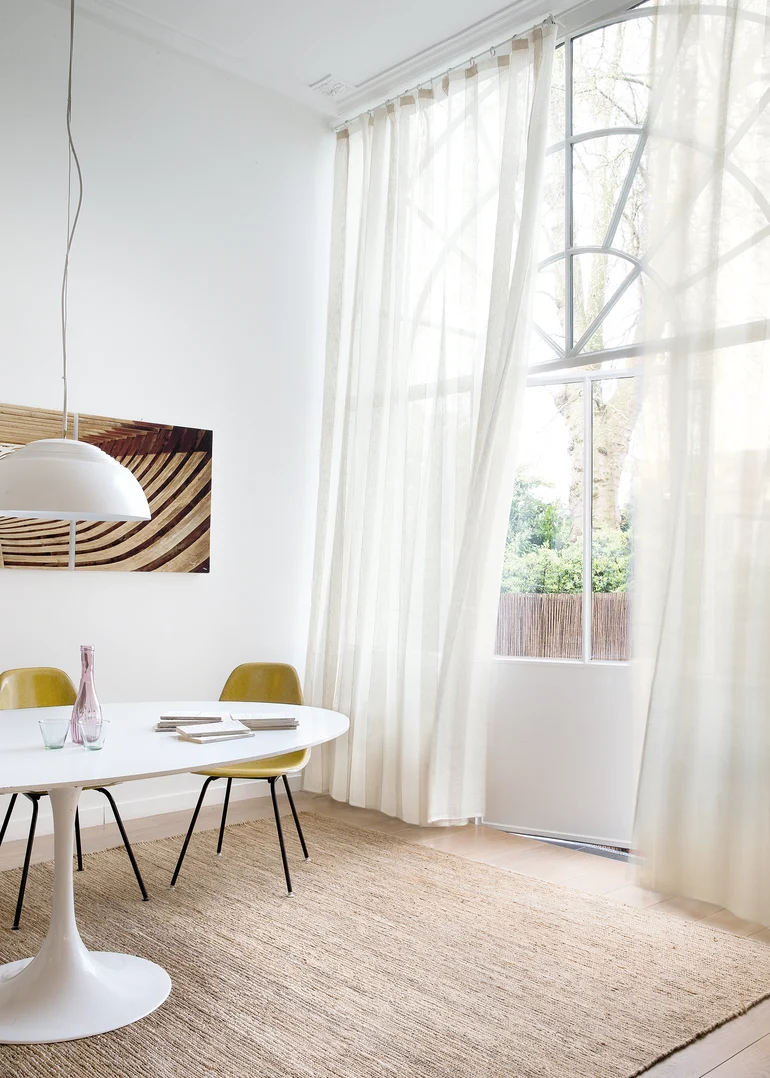
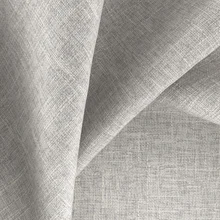
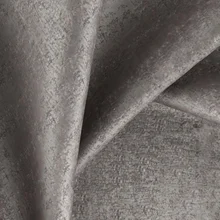
''Curtains have the ability to dramatically alter a space. They provide softness to rigid architectural lines in an interior, provide intimacy and privacy and filtered light for optimum comfort. Our mantra is a window unfurnished is a window incomplete.''
Curtains
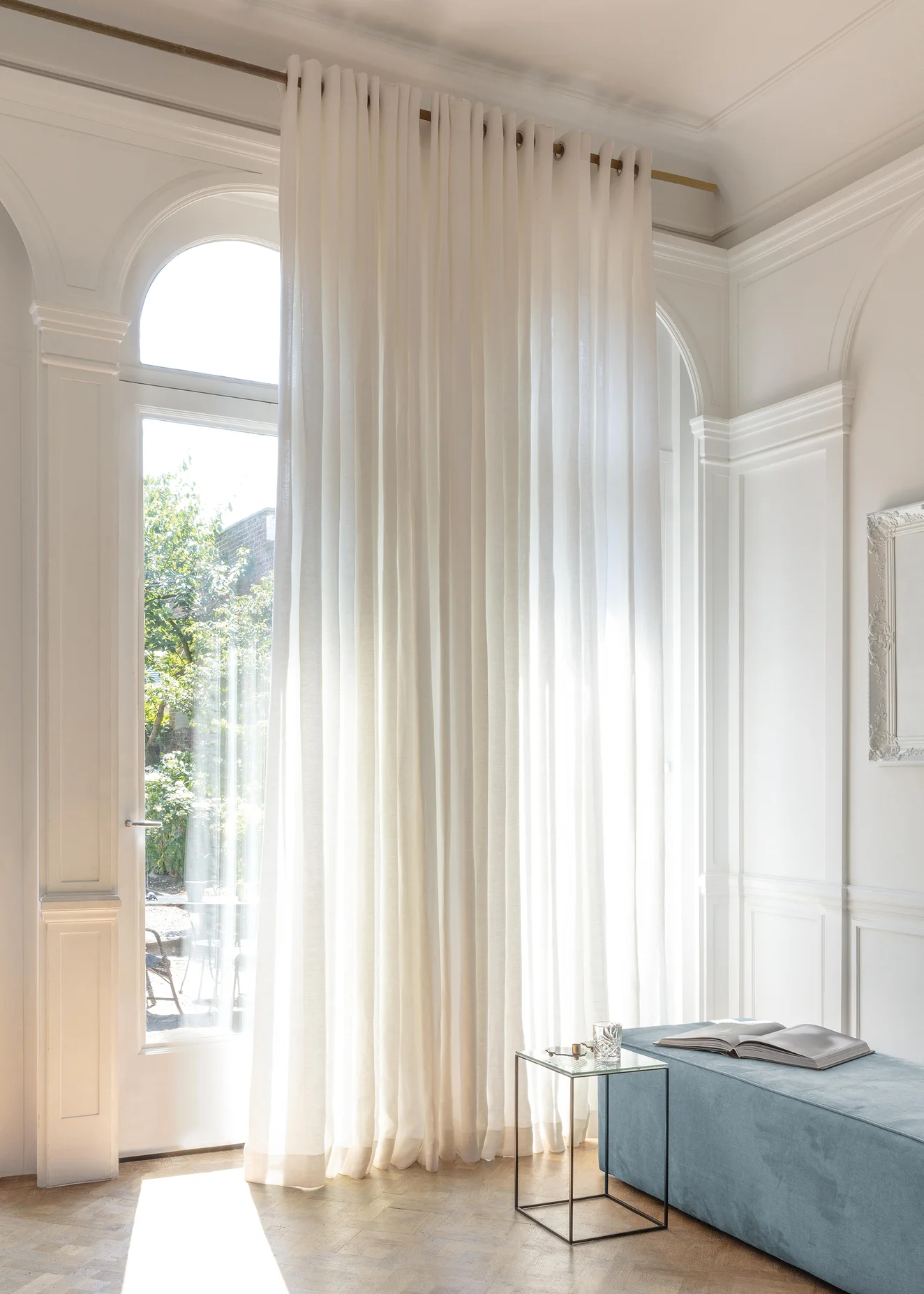
At Zepel, we offer modern and traditional curtains fabric that add comfort and privacy within your home, office or commercial space.
Curtains have the ability to dramatically alter a space. They provide softness to rigid architectural lines in an interior, provide intimacy and privacy and filtered light for optimum comfort. Our mantra is a window unfurnished is a window incomplete. However, when designing custom made curtains, there are many factors to consider throughout the process. Firstly, choosing the appropriate fabric that should not only be based on aesthetics, but performance qualities and budget constraints.
Whatever curtain fabric and style you select, curtains will add the final touch in an interior. It further creates unity within a space, bringing together your decorative elements and additional furnishings.
Curtain Applications
Window Size for Curtains
Windows sizes can vary greatly - some windows may suit floor to ceiling drapery, for other windows a blind may be more suitable. Whatever the parameters, you need to consider the style of window you are working with to decide on the aesthetic you wish to achieve. Learn more about measuring for curtains here.
Curtain Style
Traditional, formal or understated? The look and feel of your home will guide you here. A classic home with high ceilings and decorative features may suit weighty velvet drapery that drapes on the floor. While a more contemporary interior might be more suited to a minimal style that is refined and paired back. The selection of curtain header, (of which there are a range of options), will also achieve a desired look. Take your time to consider the various header options, and ensure you select the right one to suit your desired aesthetic. Generally, it looks more seamless if you maintain the header style throughout every space. Learn more about choosing the right curtain header here.
Curtain Function
Some important questions to ask yourself is regards to the function of your curtain. Do you require a fabric that provides complete privacy for sleeping with minimal light? Or is it an office space where the direct sunlight needs to be managed? Or is it for a living room that you like to keep warm at night? Each room in your home has different needs. It’s also important to consider children and pets and how they interact within the house. All of these factors need to be considered when selecting fabric with durability, and easy-clean properties generally being incredibly important. Read more about choosing curtains for your home here.
Position
Depending where you live, exposure to extreme UV rays can lead your drapery to deteriorate. This also applies to interior furnishings. The edge of curtains can become damaged by sun exposure and cause the fibres to break down. Choosing a fabric that has a UV protection rating will help in slowing down this process, as well as pushing back or stacking your curtains as much as possible, so it’s away from the window glass. You can also add a sheer curtain to filter the rays.
Curtain Lining
Lined curtains are essential to creating thermal insulation protection near windows. Drapes that are fitted professionally with a lining will prevent heat loss by 40-60%.
With this is mind, it makes sense to have a quality lining against your curtain fabric. With a variety of options including block out, triple weave, silicone and interlining, there is design for every situation.
Curtain Header Styles
There are a variety of curtain header options available. They not only provide functional benefits, but add to the overall look of a space – traditional, contemporary, mid-century etc. If you are unsure on what a curtain header is, it’s the way in which the fabric is sewn or pleated at the top of the curtain, and it will have a direct impact on the way the material drapes or hangs, as well as functional benefits such as stack back (the amount of space a curtain will occupy when fully drawn open). Learn more here.
BOX PLEAT
A classic curtain heading style creating a tailored finish. Deep inverted pleats run across the top of the drape to create a flat heading style that is designed to sit neatly under a curtain rod or on a track. Creating cohesive folds, the box pleat is suited to most fabrics however when using highly patterned designs, especially geometrics, be mindful that the pleating can disrupt the pattern match. A great heading style when using a standard width fabric as joins can be hidden into the fold of the pleat, therefore minimising the appearance of seams.
PENCIL PLEAT
Defined by its small sized pleats, the pencil pleat is a gathered header allowing the fabric to gather at your desired fullness. The fullness is determined by the amount of fabric folded with the cords are pulled, and due to volume created here, it’s advised to avoid heavy or bulky fabrics as these can disrupt the even distribution of the fabric folds.
PINCH PLEAT
A pinch pleat offers a classic look. Pleats are achieved through folded creases in the stiff buckram tape, hooks are then inserted allowing the curtain to be hung on a track or rod. There are three varieties of pinch pleat headers characterised by the number of folds/creases at the top (single, double, or triple) as well as the fullness, stack-back, and overall look.
FLAT PLEAT
A simple curtain heading with slight fullness that achieves a refined, contemporary look. This style is ideal for solid and sheer designs, or patterned fabrics as there are no pleats to disrupt the pattern repeat. A flat pleat is also a perfect header option for sheers behind a lined curtain on a double track as it sits neatly underneath with little stack-back. Given the casual look of this header style it works perfectly with high quality linens for relaxed elegance.
WAVE HEADER OR S FOLD
S Fold or Wave curtain headings provide an elegant look which is suited to most solid, patterned and sheer fabrics. With the use of structured buckram tape adhered to the back of the header, the fabric is evenly distributed in a symmetrical ‘wave’ form. Selecting a wide width fabric is a great way to achieve a continuous formation across a window without joins or seams, leading to production efficiencies and minor stitching.